
Your Custom Text Here
A guide to reflective writing
Reflective writing is a great tool to enhance your creative practice. Writing reflectively takes you on a deeper learning journey. This guide will help you get started.
How to write reflectively

Writing is a great way to help us reflect on new information or skills in a deeper way in that can enhance understanding. In an age of constant stimulation and distraction, it’s all too easy to forget what we’ve learned if we skimp on reflection. Whether you are a good writer or not, no matter what field you are working in – creative or technical, athletic or educational, and so on – getting in to a habit of writing reflectively will help you understand what you’re learning at a deeper level. Put simply, if you want to understand more about yourself and your practice, start writing reflectively.
Pen and paper vs laptop or tablet
My short answer is hand, my long answer is both. Let me explain.
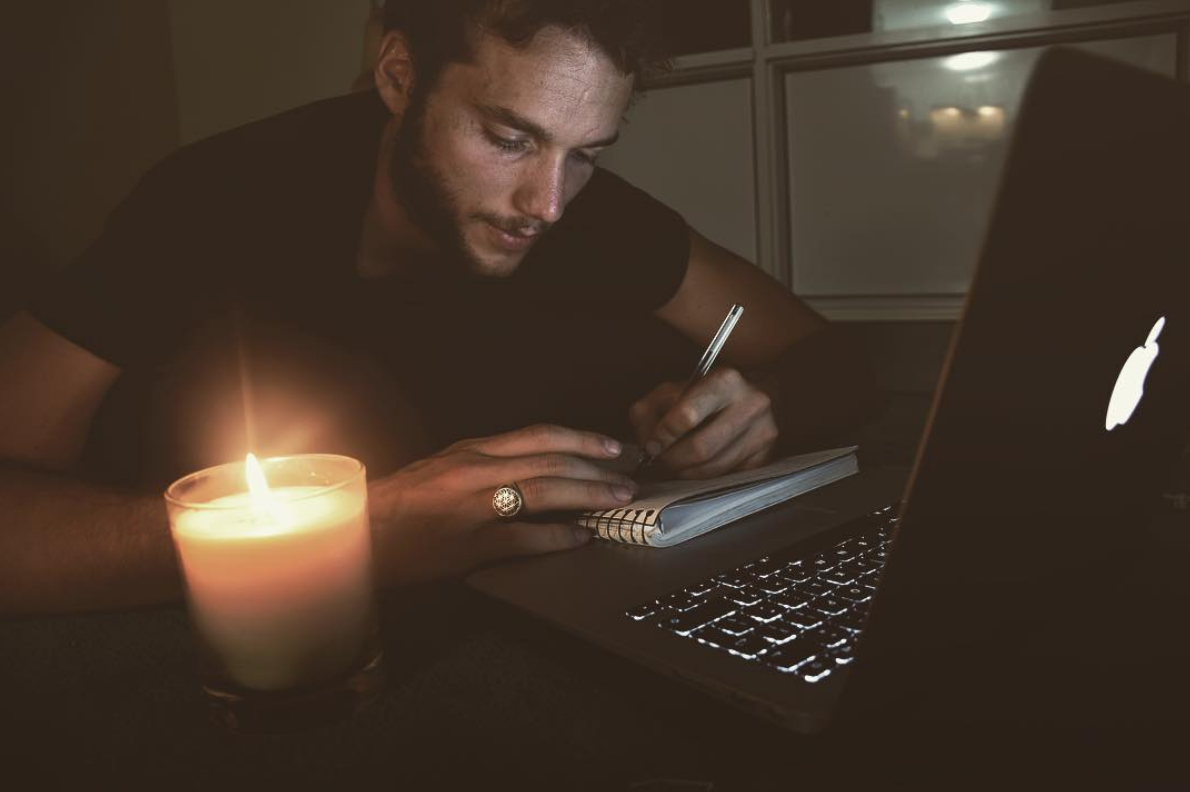
Handwriting takes longer, which is a good thing. Reflective writing by hand gives you more thinking time, a valuable asset in a world of hectic distraction. It’s also easier to delete your writing or correct it grammatically when you are using technology, tempting you to write what you think you should write rather than what you want to write. Reflective writing should not be perfect writing, it simply needs to be manageable. Even 15 minutes of reflective writing weekly can have a great impact on your creative practice or artform and deepen your knowledge of a particular subject. But be practical; if you are in a lecture or watching a YouTube video and need to take notes in a hurry, or you’re at the coffee shop and start spontaneously reflecting, then by all means use a laptop. But be sure to dedicate a set period of time to deeper reflective writing by hand each week. If you can, slot in your reflective writing after you’ve learned something new or following a creative session. Often significant things we have thought about we forget when life takes over.
What is reflective writing?
Let me wrap this one up inspired by The Reflective Practice Guide (Bassot, 2015) with some key phrases for you to jot down:
· Reflective writing is always written in the first person it’s more personal and demands a high level of self-awareness, which reflective writing allows us to develop;
· Reflective writing is critical – it asks you to offer a critique and evaluate your work. It is not descriptive, rather it asks you to write down what happened and critique the process;
· Reflective writing is analytical – think of a SWOT analysis where you are required to assess your strengths and weaknesses, whilst also considering your thoughts, engaging with your emotions and challenging what you think you know;
· Reflective writing should be honest and spontaneous – write whatever comes to mind and let the writing flow freely;
How to structure your reflective writing?
Knott and Scragg (2013) offer a great structure for us to replicate, which requires a lined journal for your reflective writing – remember we are doing this by hand.
Stage 1 – Reflecting
Focus on an issue or concern that you have in relation to your practice and development. Write freely to capture your thoughts and emotions.
Stage 2 – Analyze
Prompting yourself with the following questions will help you through this more difficult stage of reflective writing:
· What is happening?
· What assumptions am I making?
· What does all of this show about my underlying beliefs
· Are there alternative ways of looking at this, if so, what are they?
Stage 3 – Action
Now it’s time to take action. Again, here some questions can help get you moving:
· What action could I take?
· How can I learn from this experience?
· How might I respond if this situation occurred again?
· What can I learn from this experience regarding my beliefs about myself?
Activity
Now it’s time to get reflective! Pull out your notebook and pen and use this structure to reflect on something that has happened this week.
Don’t miss out on one-on-one creative coaching sessions with Angie - book now for April sessions!
Health hacks for creative success
I have learned a few tricks to maintain my health and wellbeing no matter how busy, pressured, or out-of-balance my creative life seems. Let me share a few hacks!
Tips to optimize your health to achieve creative success.
Many professional creatives fail to reflect on their practice, and yet our process is so important to our success. One reason I embarked on a Masters Degree in Creative Industries with SAE Australia was to better understand my creative process in order to refine and improve it. Within my own process, I noticed a significant correlation between my overall health and wellbeing and my ability to get in creative flow.

Be your own health architect
Two years ago, I returned from Australia following a lengthy stint roaming the world with my kids and decided to live in a tipi for six months in order to slow down the pace of my life and become more in tune with the natural rhythms of nature. I didn’t own any land – I was merely living at a caravan park in northern New South Wales, with a tea tree lake as my front yard, and the beach a short skip away. Free from artificial lighting, excess electrical appliances, household clutter and TV, the kids – who slept in their own two-person dome tent behind my tipi – and I soon fell into the natural rhythm of life, going to bed at 7pm as the sun went down, and rising with the first bird sons before dawn. I made it a habit to practice a daily conscious breathing routine as the sun rose, followed by a crispy morning swim in the lake.
During the days, I was working remotely as usual with camp kitchen, the grass outside my tipi, and local cafes my offices. While my hours of work per day were limited to those which nature intended (I had no power in my tipi to charge my laptop at night), my overall creative output and ability to get into flow while creating each day increased significantly. Moreover, I experienced the greatest joy in my work than ever before. Ideas were flowing like a gushing river.
It became clear to me that optimal health and wellbeing increased my creative output dramatically; it was easier to get in flow and the ideas I was churning out were GOOD. Over the years of bouncing around the world as a digital nomad, maintaining optimal health is not always easy. For busy professional creatives, it can be downright hard. But I have learned a few tricks to maintain my health and wellbeing no matter how busy, pressured, or out-of-balance your creative life seems. Here are a few:
You are what you eat
So cliché right? Well, that’s the beauty! There’s no better trick to maintaining your health then to eat to live. When I am on the road, or living in other people’s spaces, my commitment to nourishing food can easily suffer unless I make it a priority. When filming on location for The Laps Tasmania, finding fresh, locally produced organic produce was not the easiest thing to do. We had no caterers for the film; I was it. Waking up at 5am each day to start directing the shots, producing a four-person, two-cast run-and-gun reality TV show in the rugged wilderness that is the island of Tasmania, driving the crew van for hours each day, and still having to source healthy food for my team and I AND prepare and serve it for everyone was an enormous task! But in ensuring everyone ate fresh, nourishing foods, I knew I would get the best out of myself and my team.
A typical day for me when we are comfortable in one place for a while starts with water. Hydration is EVERYTHING. Lately, I have been filling my reusable glass bottle with organic apple cider vinegar from the health food store Goodies and Grains in the Adelaide Central Markets, and filling my recycled 500ml glass drinking bottle (re-used after purchasing a fresh green juice at the Farmer’s Markets) with water and a dash of ACV. When I am at my in-laws house in France, I will have a dash of lemon with warm water as ACV is harder to source, to try and get an early bowel movement happening before making a fresh cold-pressed juice for breakfast.
For optimal health, I stick closely to these steps when it comes to food:
· Hydrate – drink plenty of filtered water morning, day and night;
· Cold-press juice - at least once per day, following the 70:30 rule of vegetables to fruit;
· On average one main meal per day - usually around 3pm. My go-to recipe book is The Plant Powered Way by Julie Piatt and Rich Roll.
· Plant-based diet – I’ve been vegan for four years and have never looked back!
**Important! GOOD water is everything. I swear by Pristine Hydro Water Systems. Their revolutionary water filters are radically transforming the water industry and people’s health.
Breathe, damn it!
Read my post Magic Breath and How to Use It. Breath is life. Most of us breathe too shallow and don’t even notice it. When you limit the amount of oxygen that can enter your body, you are limiting your ability to truly participate in life itself. Begin each day with 15-20 minutes of conscious breathing. When work is stressful, you’re under the pump, emotions are running wild and you’re feeling it all impact your creative work, take a few moments to place your hand on your belly and do a few rounds of deep breathing to return to the present moment. I’ve taught my kids that life can change in a single breath. It’s true! Each time you return to the breath you give yourself a chance to reset.
Stretch, Gumby.
Remember the old plasticine cartoon Gumby? If you were born too late, get into some Gumby on YouTube. Stretching is crucial to optimizing health and wellbeing. Stretching gives you the opportunity to renew your body from the cellular level and gain a fresh perspective on life. Stretch at home, at the office, in airports, at the park, on the beach…everywhere you can, as often as you can! When I was living in Bali last year, I was attending yin yoga classes daily and they truly changed my life. I am naturally a yang person, so it has been important for me to incorporate the art of slowing down and balancing my yin in order to balance myself and my creative practice. Especially following a day of enormous creative energy, yin yoga and stretching help me pull it all into focus, and better observe which projects I should pursue, which ones I should shelve, and just generally gain a better perspective of my whatever it is I’m working on.
Get outdoors!
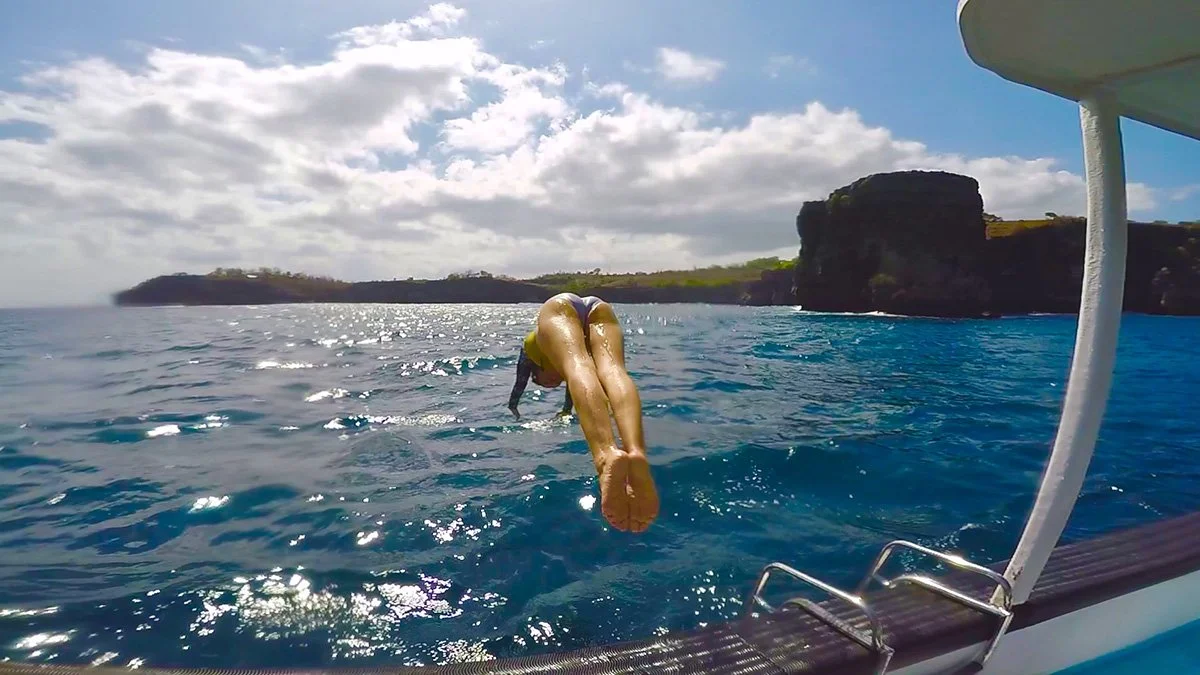
No tricks here! Every time I hit a creative road block, start to feel my body aching from the computer, or start resenting whatever project I am working on, I get myself outdoors. It could be just a little 10 minute walk into the backyard in France to see what my partner is working on in the garden, or a swim at the beach, a trip to the skate park with my kids, or a walk down to a local cafe. When I was living in the tipi I was outdoors most of the day, which led to huge flows of creativity. Getting among waterfalls and taking day hikes are all on my hit list of great outdoor adventures for when I have more time.
Found a little insight in these tips? These are just a few secrets I employ on a daily basis to optimize my health. If you’d like to take action, or take your creative process to the next level, unblock stuck energy and refine your creative process, schedule a one-on-one creative session with me today.